Understanding aircraft de-icing: why it matters, how it works, and what passengers rarely see
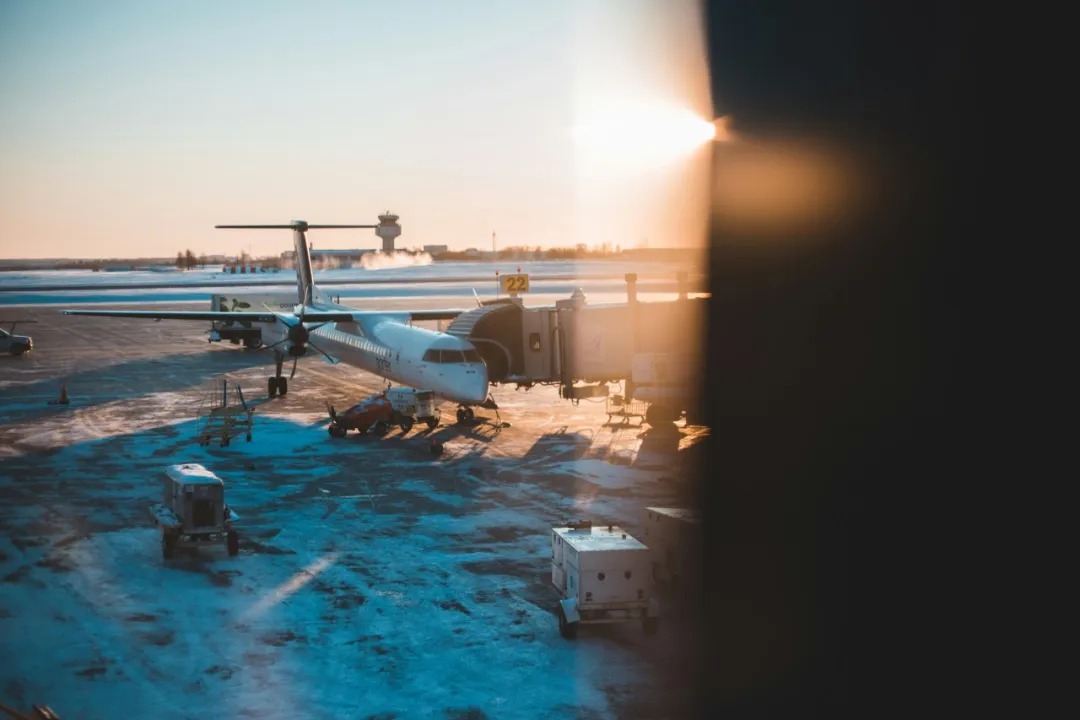 Most passengers boarding a flight on a cold winter morning don’t give much thought to the trucks and equipment moving around their aircraft. Among them are de-icing teams – carrying out a procedure that is absolutely essential to flight safety in cold weather. According to Luca Zinnemann, Team Leader – Private & Commercial Jets DACH at global aircraft charter specialist Chapman Freeborn, de-icing happens before a significant number of flights worldwide during winter, yet few travellers on board understand what’s actually taking place or why it matters so much.
The reason why aircraft wings create lift is their meticulously calculated shape. This capacity, however, gets seriously disrupted when an aircraft becomes covered in ice – even if just a little bit. The airflow over the wings becomes disturbed, which not only reduces lift but also increases drag at the same time.
“But wings aren’t the only concern. Ice on sensors can provide flight crews with incorrect information about speed, altitude and other critical data, while ice around engines can reduce their power output. Severe icing can lead to abnormal engine behaviour or, in extreme and very rare cases, serious engine performance issues – scenarios aircraft are certified for and crews are trained to handle,” said Zinnemann.
What surprises many travellers is that aircraft can accumulate ice even when the temperature is above freezing. High humidity combined with certain atmospheric conditions will form frost on cold aircraft surfaces – regardless of what the airport thermometer says.
How de-icing actually works
When the weather calls for it, the captain and flight crew assess the situation and decide whether de-icing is necessary – passenger safety is always the most important factor in that decision. Their approach depends on several factors, including the current weather conditions, the amount of ice and snow that has accumulated on the aircraft, and the forecast leading up to take-off.
“In lighter conditions, crews use heated de-icing fluid to remove ice and frost in one step. This fluid also provides some temporary protection after it’s applied. But it doesn’t last very long – usually somewhere between a few minutes and fifteen minutes, depending on temperature, wind and precipitation,” said Zinnemann.
When snow is falling heavily or conditions are more severe, teams use a two-step method. First, they remove the built-up ice and snow with heated fluid. Then they apply a different type of fluid specifically designed to prevent ice from forming again. These protective fluids can stay effective for quite a while. In fact, the most advanced formulations can shield an aircraft for up to 90 minutes under the right conditions. However, the exact duration can change depending on the temperature and the intensity of the snowfall. These timeframes are defined by published holdover timetables and apply only as long as conditions remain within strict limits.
Timing matters enormously. De-icing an aircraft too early means the protection might wear off before take-off. Too late, and it causes departure delays. Ground teams coordinate closely with flight crews and air traffic control to get the timing just right.
What passengers experience
From inside the cabin, de-icing might look like it’s causing a delay. In reality, airlines factor this time into their winter operations. The actual spraying typically takes between ten and twenty minutes, depending on how large the aircraft is – and how bad the weather.
“Before take-off, the crews always do a final check. Either the flight crew or trained ground personnel verify that all surfaces are completely clean. If the wait for take-off has been long enough that the protective fluid might have degraded, inspectors check again. And if they find any contamination, the aircraft goes back for another treatment. This way, we make sure that safety is never compromised,” explained Luca Zinnemann.
The cost of de-icing: what clients should know
De-icing is not only a safety-critical procedure, it is also a variable cost factor during winter operations. The fees are initially charged by the airport to the operating airline. In scheduled commercial aviation, these costs are absorbed within the airline’s overall winter operations and indirectly reflected in ticket prices. In private aviation and for charter flights in general, however, de-icing is typically excluded from the fixed charter price and billed separately to the client after the flight, based on the actual services performed.
Some operators offer an optional de-icing protection arrangement. By paying a fixed lump sum – usually between EUR 500 and 1,000 – at least one week prior to departure, clients can secure cost certainty. If de-icing becomes necessary, no additional charges apply. Availability and conditions vary by operator.
“At Chapman Freeborn, we address the topic early in the planning phase. For flights scheduled between November and March, or involving airports in climatically sensitive regions, we clearly inform clients that de-icing may be required and that related charges could arise. Around 24 to 48 hours before departure, we review the latest weather forecasts and consult with the operating airline to provide an initial indication of the likelihood. The final decision, however, always rests with the aircraft captain shortly before departure and is based solely on safety considerations,” said Zinnemann.
The actual cost depends primarily on aircraft size, prevailing weather conditions and the airport's pricing structure. Larger aircraft require more fluid and time, while heavy snowfall or freezing precipitation may necessitate more complex procedures and specialised anti-icing fluids. Airport fees can also vary considerably, particularly at major hubs.
As a general guideline, de-icing for private jets typically ranges between EUR 500 and 4,000 per treatment, while commercial aircraft usually fall between EUR 1,500 and 8,000. In severe conditions or for larger aircraft types, costs may exceed these ranges.
Proven safety in every season
De-icing is one of the many carefully coordinated measures that keep aviation safe and reliable during winter – for passenger and cargo flights alike. Carried out by trained professionals following protocols refined over decades, it ensures that cold weather does not compromise the safety standards the industry upholds year-round.
For charter operators like Chapman Freeborn, this means working closely with ground handling teams and airports to ensure every flight departs under the right conditions – no matter the season.

