Meeting the demands of a $25 billion market: why adaptability and attention to detail define private aviation
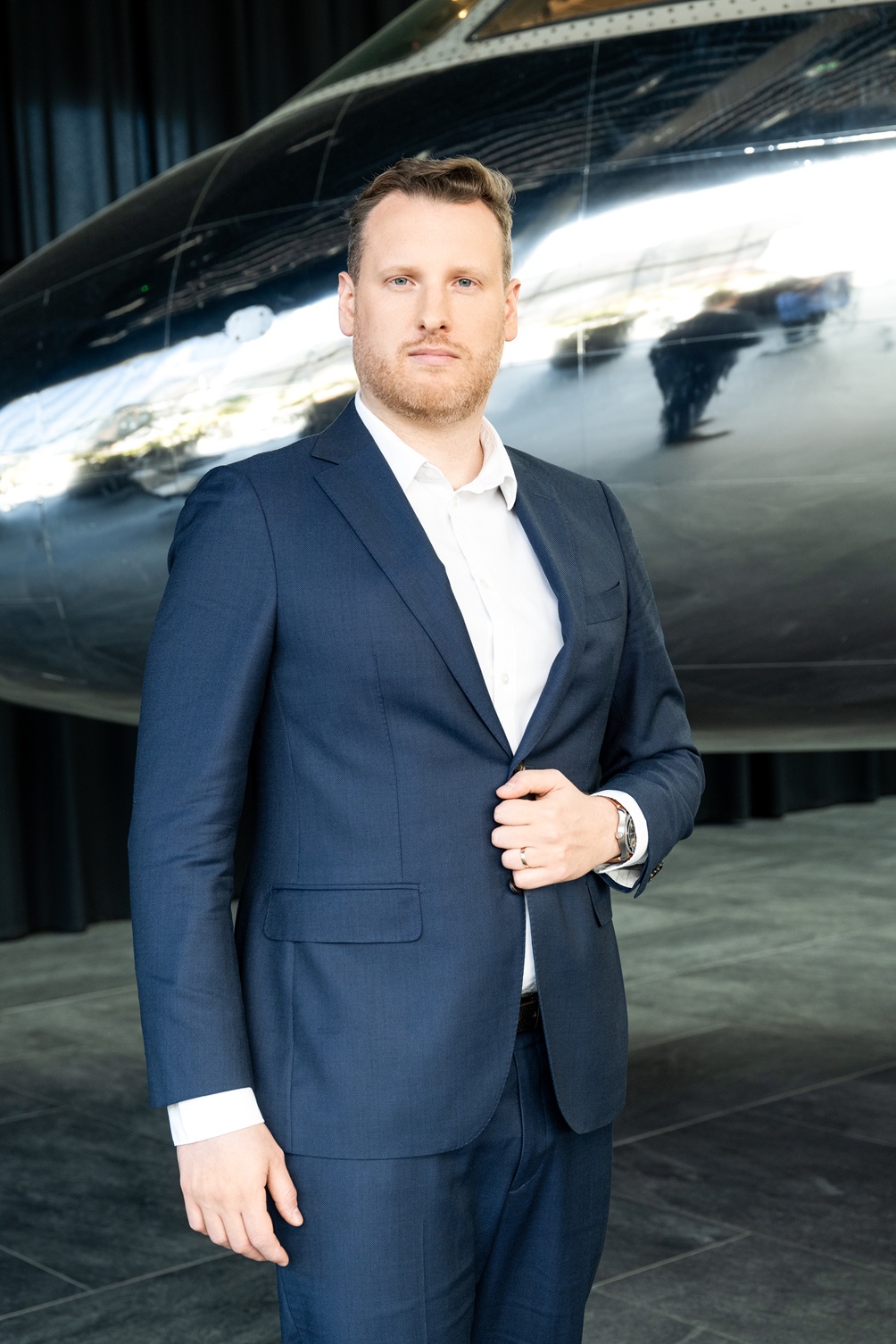
 The market for private jet flights is steadily growing – its size is currently estimated at $17.67 billion and is expected to reach $25.79 billion by 2031. As Marton Modis, VP of Business Development at KlasJet, notes, demand for private flights is higher than ever, and with it come elevated expectations – clients’ requests are becoming increasingly complex, with little to no room for error.
Increase in volume = increase in customer expectations
There were 3,878,836 global private jet flights in 2025, up 4.6% from 2024. There are several key factors driving the rapid growth of the private jet market. Experts name the aspects of time savings, convenience, better access to remote destinations, and pricing as some of the main reasons for this sustained growth. Additionally, more and more people can afford flying privately, and after trying it, never want to go back to commercial flights.
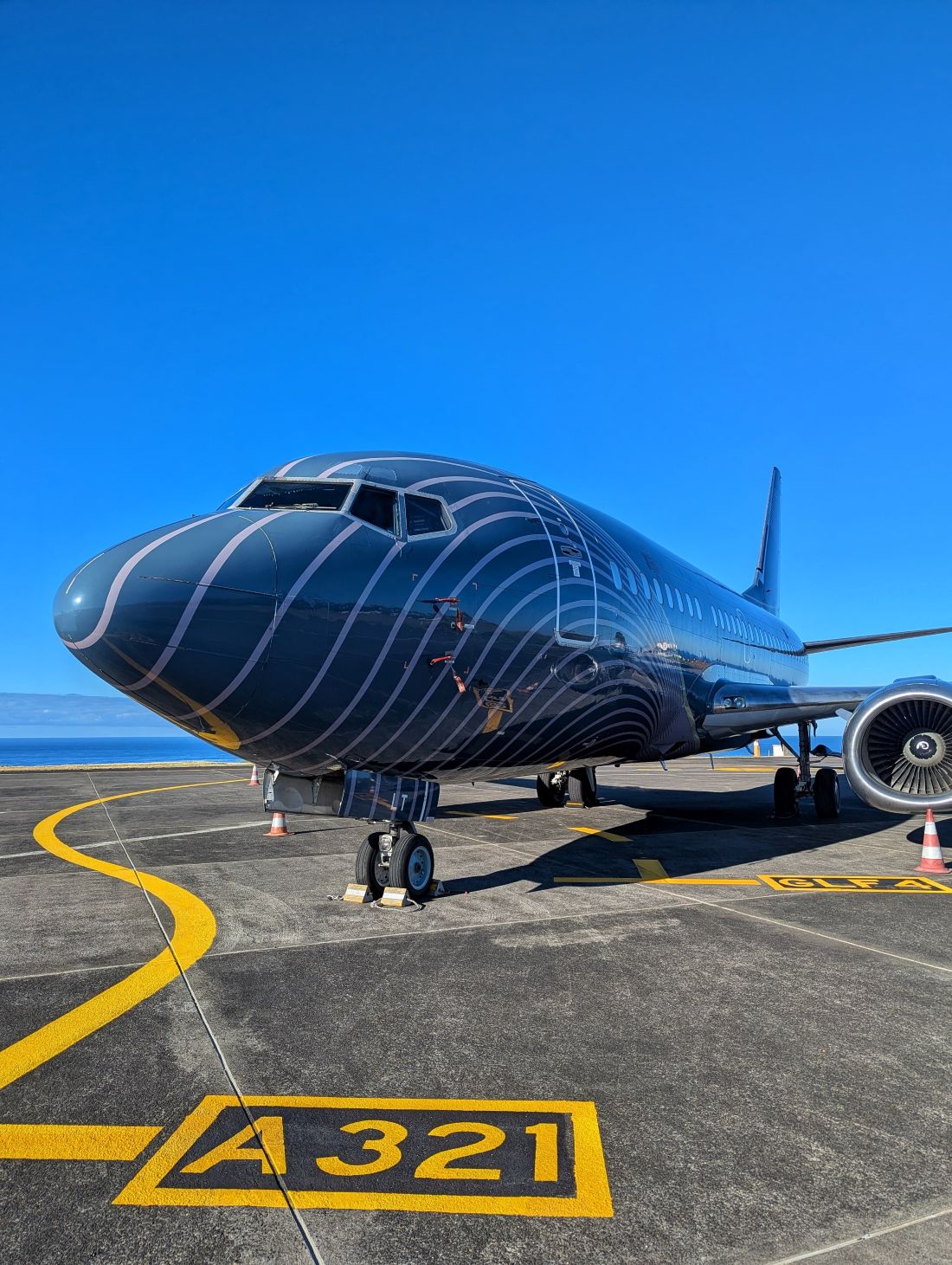
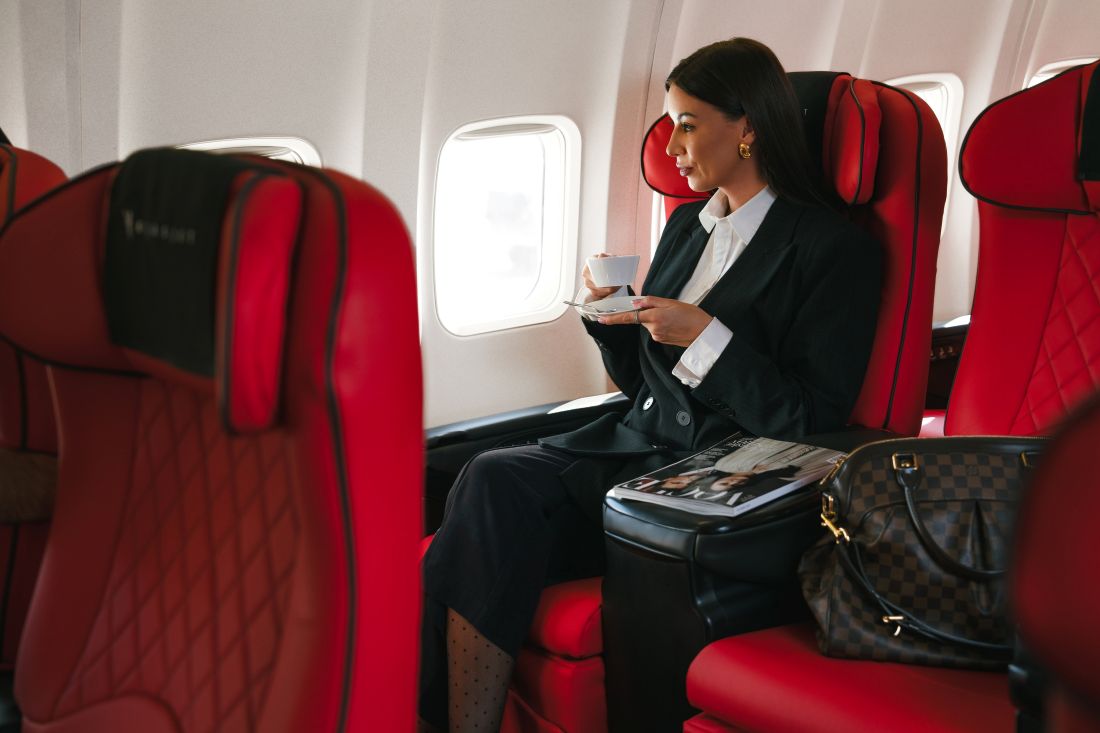
Naturally, along with the number of flyers, their expectations are increasing as well. According to Marton Modis, VP of Business Development at KlasJet, a business aviation company engaged in VIP charter flights, in today’s competitive environment, VIP group charters must match private jet service standards.
“Reliability is key, especially for government and sports clients, which is why, as standard, every KlasJet flight has an engineer on board. We also serve bands that are on their music tours. They prefer the service to be provided by a single partner for the full length of the tour. So, in this case, consistency is the key,” he says.
Mr Modis emphasizes that aviation as a whole is an incredibly demanding field, and the private flights market faces an even bigger and more unique set of challenges. To meet them head-on, one has to invest in the team, processes, and aircraft. Maximum care and attention must be invested in every single trip, flight, and mission. And that means attending to even the most minute details. That’s the only guarantee of long-term business success.
“A perfect example of this need to go the extra mile is our recent flight for a group of high-net-worth individuals to Africa. They had very particular requests regarding in-flight service and catering, asking for their favorite snacks and drinks from home to be available. Such flights also carry significant challenges regarding flight permits and fuel availability, so compared to them making sure everyone on board can enjoy their favorite flavors is a breeze,” he says.
The importance of being adaptable
Response time and aircraft availability are crucial in the private jet flight business. This is why providers are aiming to be as flexible and available as possible. The operational model is also shifting – from fixed to “floating” bases, where the fleet follows market demand rather than parking in specific airports for extended periods. This it easier to offer quick response times to clients.
Another example of adaptability is the ability to account for any cultural differences, which appear not just between people from different countries but also industries and sectors.
“These differences can be striking. For example, a sports team will be extremely sensitive to the catering that complies with team nutritionist protocols. On the other hand, a corporate incentive trip might just want recommendations and ideas on Michelin-star dishes that can surprise and excite the client,” says Mr Modis.
According to him, it is this level of attention to individual need, along with the high-quality service and team, that enables the company to be competitive in today’s market. However, it is essential to understand that every new flight is a new story. One cannot be successful based solely on yesterday’s achievement.
“What elevates certain providers is a mindset shift. Every flight – no matter if it is organized for royalty or first-time flyers – should be treated with the same level of care and attention. Clients value and appreciate every small gesture the crew and the company make to make them feel at home,“ highlights VP of Business Development at KlasJet.