FL Technics Indonesia Highlights Growing Supply Chain Pressure at MRO Southeast Asia 2026
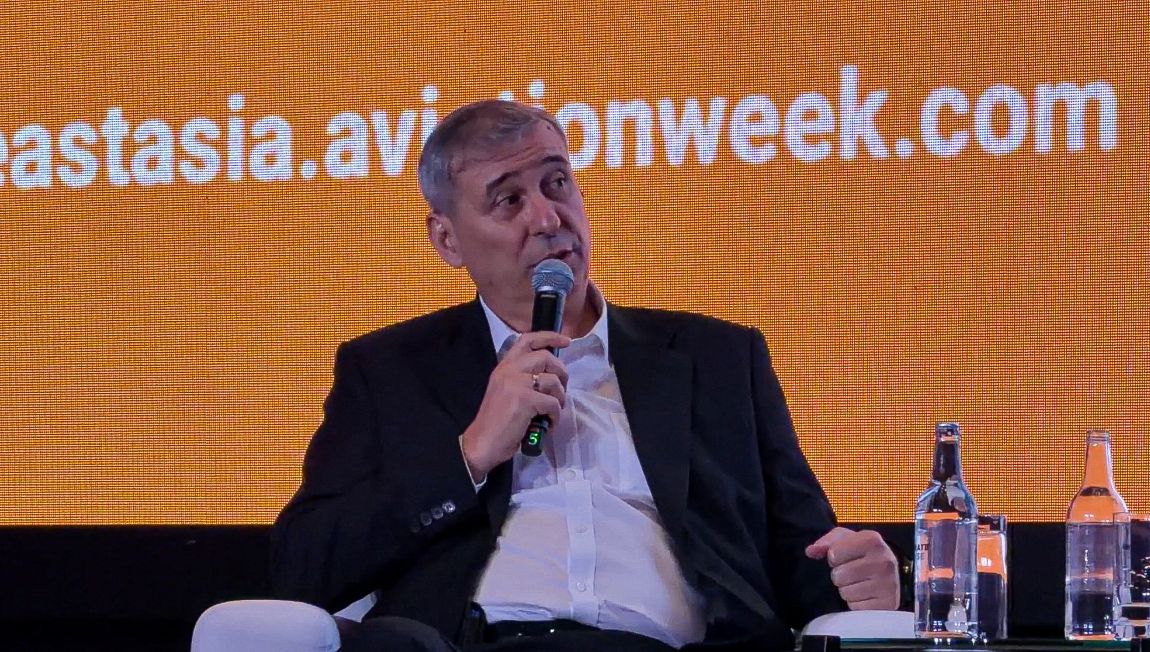 FL Technics Indonesia participated in MRO Southeast Asia 2026 in Kuala Lumpur, where Dobrica Djordjevic, Chief Production Officer at FL Technics Indonesia, joined the panel discussion “New Hubs, New Models, New Collaborations Driving MRO Capacity” to discuss the evolving challenges facing the region’s MRO sector.
Among the key themes discussed during the session were ongoing supply chain disruptions, rising logistics costs, increasing pressure on material availability, and the growing importance of regional collaboration across the Asia-Pacific maintenance market.
“What we see in Southeast Asia is strong demand for more localized, integrated, and faster MRO support,” said Djordjevic. “Airlines increasingly want maintenance capacity closer to their operations, while MRO providers are under growing pressure to maintain predictable turnaround times despite continued supply chain instability.”
The discussion also addressed the operational impact of broader geopolitical developments on the aviation maintenance sector. According to Djordjevic, supply chain conditions had not fully stabilized even before the recent Middle East crisis, which has further increased pressure on lead times and air freight costs across the industry.
“Logistics is where much of the pressure is being felt today,” he noted. “Rising transportation costs and unpredictable delivery timelines are forcing MRO organizations to rethink how they plan, source materials, and manage operational efficiency.”
Panel participants also highlighted the growing role of cross-border partnerships as MRO providers seek greater flexibility and resilience in increasingly complex operating environments.
Against this backdrop, FL Technics Indonesia continues to expand its local capabilities in the region. The company recently signed an initial expansion agreement with the Indonesian airport authority related to the development of its MRO facility at Soekarno-Hatta International Airport in Jakarta.
Sustainability initiatives were also part of the discussion. FL Technics Indonesia currently operates fully electric ground support and operational vehicles within its Bali hangar environment, while the planned Jakarta facility development is expected to incorporate similar sustainability-focused operational principles, including approximately 100 kW of planned solar panel capacity.
According to Djordjevic, long-term MRO growth in Southeast Asia will increasingly depend not only on infrastructure expansion, but also on stronger collaboration models and continued investment in talent and technology.
“Building additional hangar capacity alone will not solve the region’s long-term maintenance challenges,” he said. “The industry will increasingly depend on cooperation, operational adaptability, and the ability to respond quickly to changing market conditions.”

