NorSAF and KBR Sign Agreement for Europe’s First 100% Drop-In SAF Production Facility
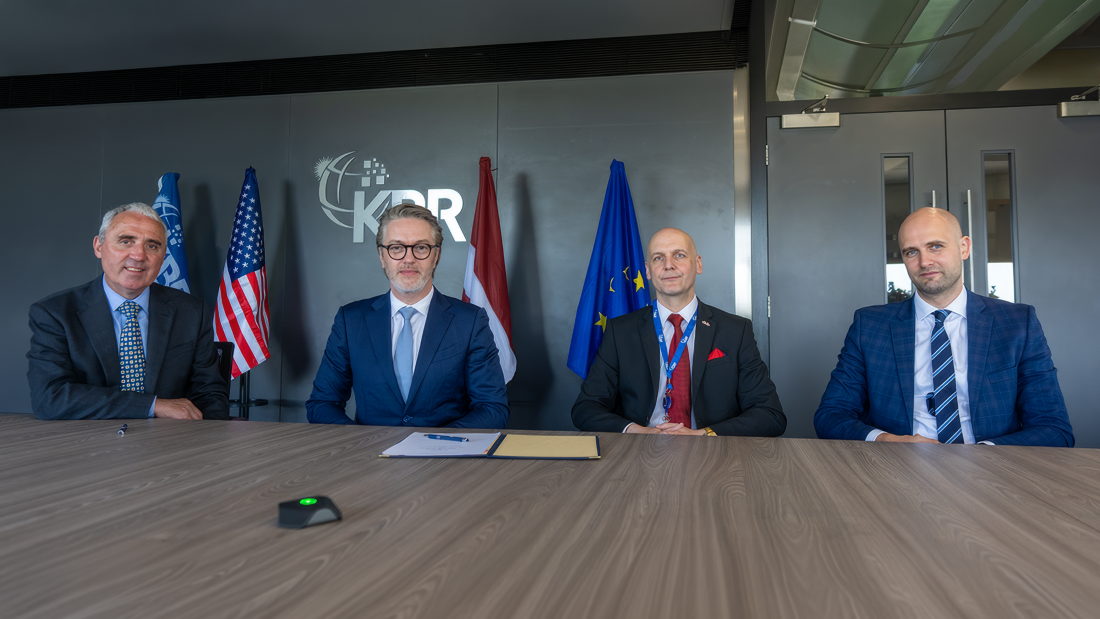
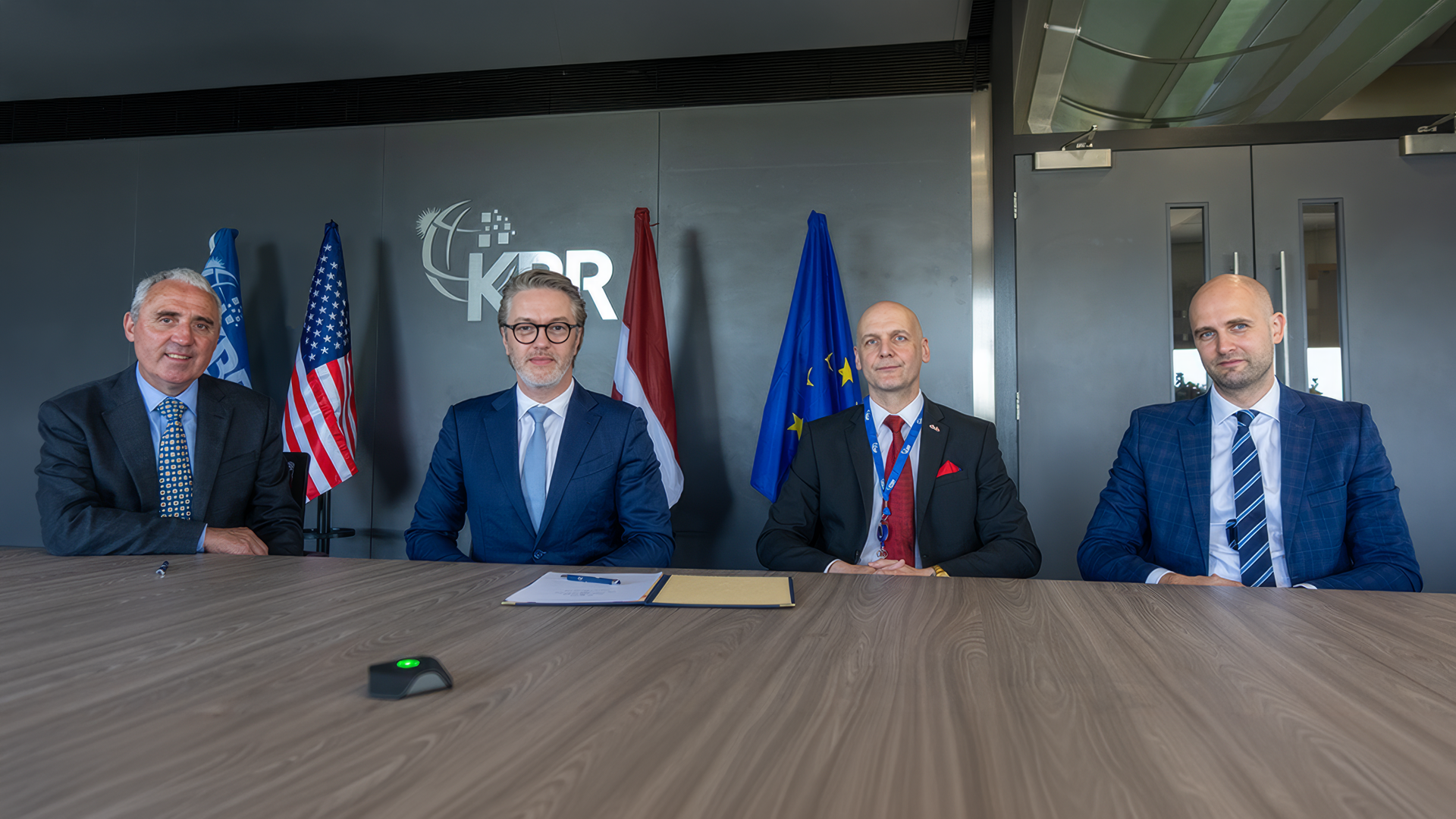 NorSAF has signed a permanent license agreement with KBR (NYSE: KBR) for the deployment of PureSAF® technology, invented and developed by Swedish Biofuels AB and exclusively licensed to KBR for commercial deployment. The agreement grants NorSAF exclusivity to utilize the technology, establishing a strategic foundation for the potential development of Europe’s first commercial-scale facility capable of producing 100% drop-in sustainable aviation fuel (SAF/eSAF).
Unlike traditional sustainable aviation fuels that must be blended with conventional fossil kerosene to safely lubricate and seal aircraft engine components, a 100% drop-in fuel is unique because its chemical composition completely mimics fossil jet fuel, allowing it to power existing aircraft and fuel infrastructure at full strength without any modifications.
While current PureSAF certification allows for a 50/50 blend with fossil kerosene, regulatory approval for the fuel to be used at 100% drop-in capacity in Europe is currently underway and is anticipated by industry participants in 2026 subject to applicable certification approvals by ASTM.
PureSAF technology was originally invented and developed by Swedish Biofuels AB. KBR is the exclusive licensing and commercial deployment partner for the technology.
The progression of the project, including the finalization of development phases and the eventual commencement of facility construction, remains subject to securing the necessary support and commitments from strategic partners. To support this growth, NorSAF welcomes interest from additional equity investors.
The planned location for the NorSAF project is the Port of Liepaja, Latvia. Once built, it will produce both SAF from advanced bioethanol and eSAF, a synthetic fuel made from green hydrogen and biogenic CO₂. By utilizing green electricity to power electrolysis for hydrogen production and combining it with captured carbon, the project will benefit from a complete green energy cycle. Greenhouse gas emissions from the proposed production process are projected to drop by approximately 83% compared to conventional jet fuel production. The intent is to source all feedstocks within Europe to strengthen the continent's energy independence and industrial resilience.
With a target annual production capacity of 100,000 tons of SAF/eSAF, the project is provisionally expected to begin operations in 2031.
This timeline is intended to align with the European Union’s ReFuelEU Aviation mandates, which require SAF adoption to reach 70% by 2050. The fuel produced by the project would be supplied to aviation companies in Europe to help decrease their carbon footprint.
“We are delighted to have collaborated with KBR to bring PureSAF technology to Europe,” said Jānis Kisiels, Board Member of NorSAF. “Recent global events have underscored that energy sovereignty is no longer just an economic goal, but a matter of national and regional security. By producing a sustainable, 100% drop-in fuels at scale using local, European-sourced feedstocks, we are building a resilient, self-sufficient energy ecosystem that reduces our dependence on external fossil fuel markets and strengthens Europe’s industrial backbone.”
“We are proud to be a part of this pivotal project, which will drive Latvia’s transition toward cleaner aviation and reinforce Europe’s leadership in sustainable fuel innovation,” said Jay Ibrahim, President, KBR Sustainable Technology Solutions. “KBR is committed to providing viable energy solutions and our PureSAF process not only scales SAF production but also offers an opportunity to co-process CO2 and syngas in the same plant and produce a fungible jet fuel ready for use jet, without the need to blend with traditional jet fuel.”
By transforming the Port of Liepaja into a sustainable fuel hub, NorSAF and KBR are positioning Latvia as a vital link in the aviation value chain, serving international markets.
NorSAF is a sustainable fuel developer based in Latvia and the world’s largest ACMI provider, Avia Solutions Group, is acting as a partner on the project. NorSAF will benefit from access to the Group’s aviation infrastructure, including its subsidiary Baltic Ground Services, which has extensive experience in SAF supply and distribution.