From Childhood Fascination to Caribbean MRO: How Curiosity Powered a Global Aviation Career
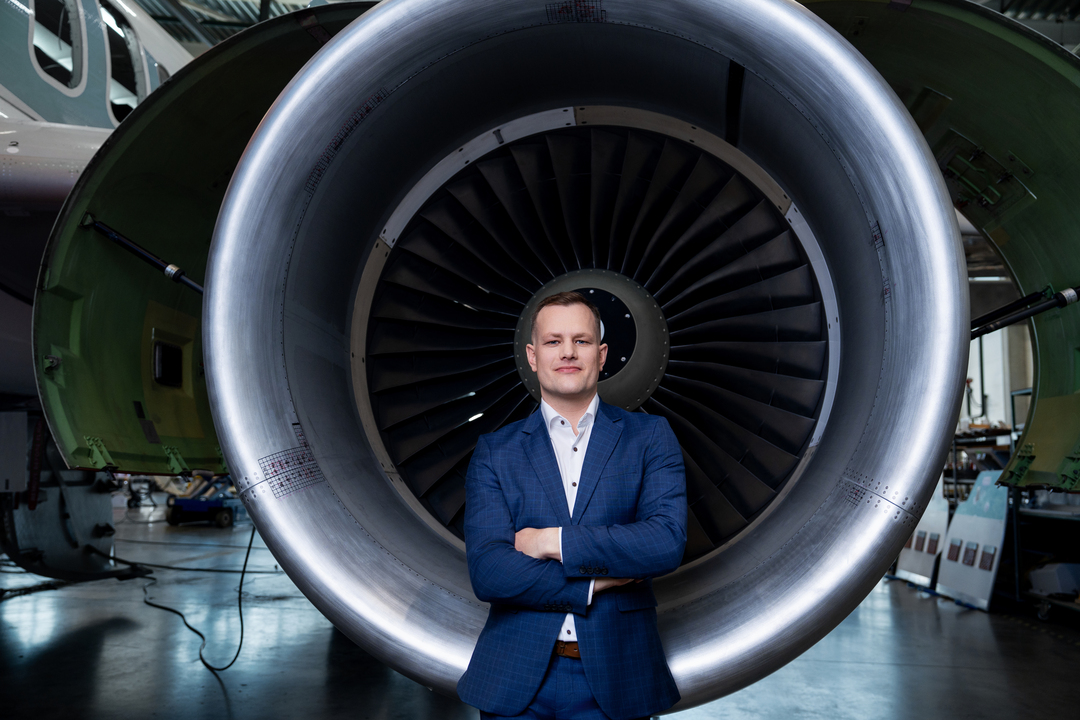 The aviation sector is experiencing major growth in regions once considered off the beaten track. In Punta Cana, the Dominican Republic, a new aircraft maintenance, repair, and overhaul (MRO) hub is taking shape, with Algirdas Norušas — with nearly 15 years of experience in the industry across various roles — leading the project as part of a broader international team. From watching planes take off near his childhood home in Lithuania, Norušas followed his curiosity into a career spanning continents.
Today, he is guiding one of FL Technics’ most ambitious regional projects, building a full maintenance center from the ground up in the Caribbean. His journey illustrates what steady progression and practical skill-building in the industry can mean for professionals, regardless of their point of origin.
From curiosity to leadership at FL Technics
Growing up near an airport in central Lithuania, Algirdas Norušas saw planes flying overhead every day and knew that he wanted a career in aviation. His early interest in physics and mathematics, along with hours spent building and fixing gadgets, made engineering a natural choice for his studies. After graduating from Vilnius Tech Antanas Gustaitis’ Aviation Institute, he joined FL Technics, a global aircraft maintenance, repair, and overhaul (MRO) provider, in an entry-level training role and was given responsibility early, putting his skills to the test nearly from day one.
What set Norušas apart early on was his strong interest in aviation rules and regulations. “From the first days, I was drawn to understanding the details of regulations and requirements,” he says. “While some might find those topics dull, I read through them like other people read fiction. This gave me a wide understanding of how the entire aviation world operates.” Focusing on the regulatory side set a solid foundation for his later leadership roles, teaching him about the connections between technical work and wider operational safety.
Aviation mindset: careers that look beyond competition
Aviation is an industry where working together comes before competing at any cost. Airlines and maintenance providers often operate as what Algirdas calls “competing colleagues,” sharing know-how and resources across company lines. “In aviation, the main goal is not to outrun each other, but to keep flights operating safely,” he says. “We might compete for business, but we all show our processes, share ideas, and troubleshoot together so everyone can do the job the right way.”
There is broad discussion about the growing role of technology and artificial intelligence across every industry. Despite all the advances, Norušas believes the success of aviation still rests on people and their close attention to detail. “Every time I fly, whether for business or leisure, I always check the details of the aircraft I’m on: its make and model, engine variant, age, and previous flights. I even read about its former owners and general history. Safety is built on curiosity, discipline, and persistence. No technology can replace that human touch.”
He notes that most safety incidents do not begin with a technical failure but with a human action or judgment somewhere along the line. It’s a reminder that strength comes from the reliability of the systems and the people we work with every day.
People-first approach anchors the future of aviation
For Algirdas, travel and meeting people have kept him invested in aviation year after year. His career has taken him across five continents, from busy maintenance sites in Europe to small airports in Africa and the Caribbean. It is often the unlikely encounters that stick with him, like running into a stranger in Burkina Faso only to discover they shared a friend in the aviation industry. “This is a small world. Everywhere you go, you come across people you know or have worked with before. That sense of connection, even thousands of miles from home, is what keeps me smiling and motivated.”
Starting the project in Punta Cana blends that spirit with the challenge of trying something new. Building a maintenance facility from scratch in the Dominican Republic puts him face-to-face with new questions about local rules and ways of working, and that drives him each day. “Every country, every team brings me a new lesson,” he says. “It is exciting to take what I know and help shape something totally new here. I want the next person, maybe even a kid watching planes take off at Punta Cana, to see that a career in aviation can take you wherever you want to go.”

